Exercising When You Are Older: What Are the Best Exercises for Health and Independence?
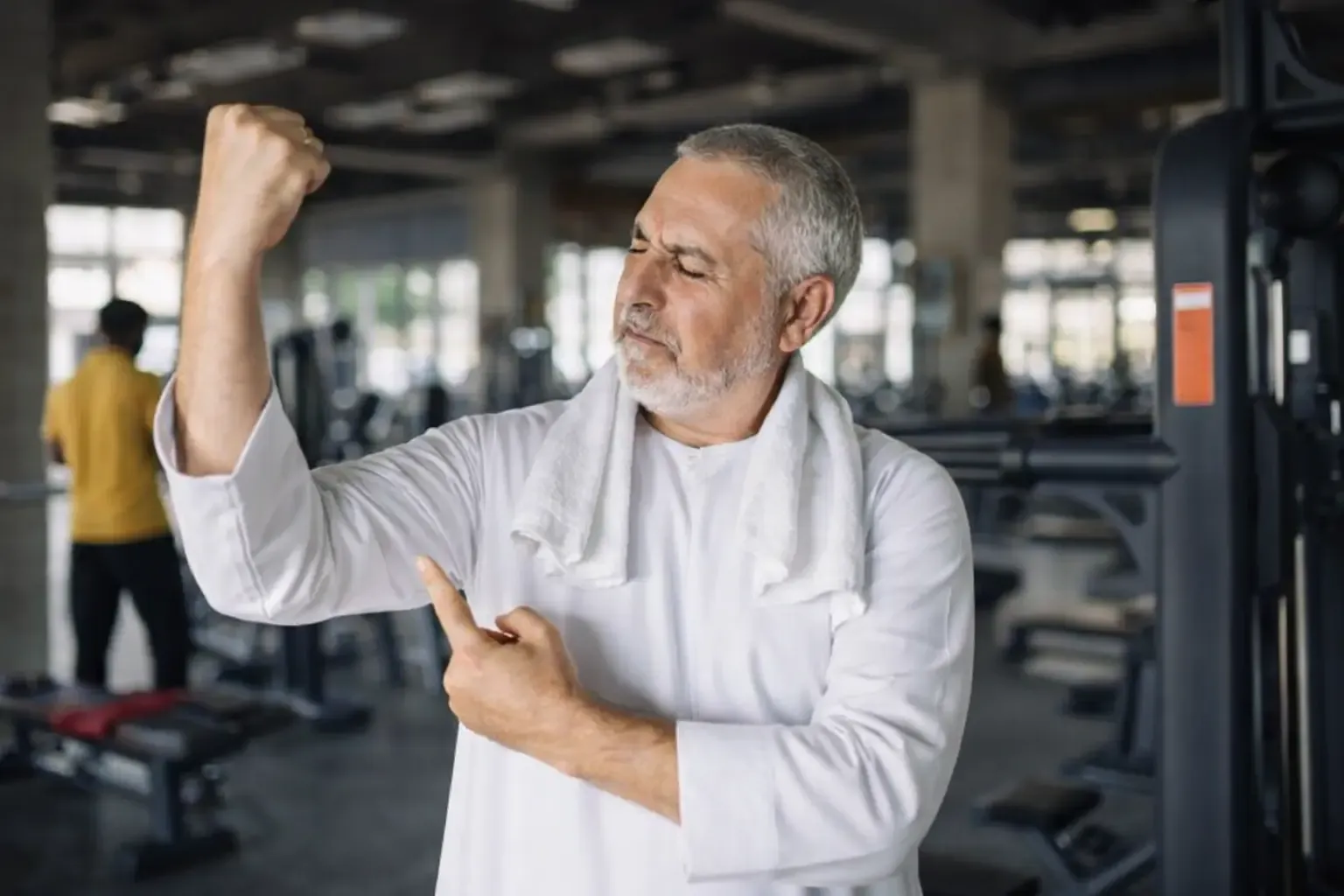
Some things get harder with age. Stairs. Long walks. Getting up from a low chair. But here is what most people do not realise: these changes are not a fixed destination. Regular exercise for older adults can slow the process, help improve function, and keep you independent far longer than you might expect.
Why Exercise Matters More As You Age?
Over time, muscle mass declines, balance becomes less steady, and the heart may not work as efficiently as it once did. These changes are real, but they are not fixed.
Regular exercise for seniors can help slow this process and, in many cases, even reverse parts of it. And the benefits go far beyond fitness. Exercise supports mental and emotional well-being, helps reduce anxiety, eases chronic pain, and improves sleep quality.
Most importantly, exercise for older adults helps protect what matters most: independence. Strength and balance determine whether you can climb stairs, carry groceries, or get up from a chair without help. Staying active means staying in control of your own life.
Discover: What Are 7 Simple Tips for Staying Active Every Day?
How Much Exercise Do Older Adults Need and What Kind?
A complete routine for older adults includes four essential types of movement: aerobic exercise, strength training, balance, and flexibility.
Aerobic Exercise for Seniors: Strengthen Your Heart and Stamina
Aerobic exercise raises your heart rate and improves how your body delivers oxygen to every cell. It’s the foundation of cardiovascular health and everyday endurance.
Good options include brisk walking, water aerobics, cycling on flat ground, swimming, and dancing.
Exercise for older adults should include at least 150 minutes of moderate-intensity aerobic activity per week, such as 30 minutes daily over five days.
Not ready for 30 minutes straight? Three 10-minute sessions spread throughout the day count just as much. Start there.
A simple way to measure intensity is the talk test: at moderate intensity, you should be able to talk but not sing. If you can only say a few words before pausing for breath, you are likely exercising at vigorous intensity.
Strength Training: Build Muscle and Stay Independent
Muscle mass can begin declining as early as your mid-30s. By 65, this process can accelerate, a condition known as sarcopenia. Without resistance training, strength can quietly decline over time, reducing the strength needed for everyday tasks, like getting up from a chair, carrying groceries, or recovering from a stumble.
Exercise for seniors, especially resistance training, can help slow this decline and improve physical function in older adults.
You do not need a gym. Strength training can include resistance bands, light hand weights, sit-to-stands, heavy gardening, yoga, and Pilates. Any activity that challenges your muscles counts.
Aim for muscle-strengthening activities at least 2 days per week, working all major muscle groups: legs, hips, back, abdomen, chest, shoulders, and arms.
Balance Training: Your Best Defence Against Falls
For older adults, a fall can carry consequences that go far beyond physical injury, including reduced confidence, restricted movement, and loss of independence.
Balance training helps reduce this risk by improving stability, coordination, and body control.
It requires no equipment and very little time. Standing on one leg near the kitchen counter, walking heel-to-toe along a hallway, or practicing Tai Chi can all be effective. The key is making it a daily habit, even if only for a few minutes.
Target: No fixed time requirement, incorporate balance activity into your day, every day.
Flexibility and Stretching: Move More Comfortably
Flexibility helps preserve your range of motion and reduce the joint stiffness that can build with age. It also makes every other type of movement feel more comfortable.
Yoga, Pilates, and gentle stretching routines are all good options. You can do them on the same days as your other activities or separately, whichever works best for you.
Target: A few minutes of gentle stretching after each aerobic or strength session is enough to support mobility over time.
How Can Nutrition and Hydration Make Exercise Feel Easier?
Exercise works best when your body has the right fuel. For older adults, two things matter most: protein and hydration.
Protein helps repair and maintain your muscles, which naturally become weaker with age. Many older adults do not get enough, so try to include a good protein source at every meal, such as eggs, fish, beans, lentils, dairy, or lean meat.
Water is just as important. As you get older, you may not feel thirsty even when your body needs fluids, and many seniors live with low‑level dehydration without realizing it.
Even a small loss of fluid can make exercise feel harder and reduce your energy.
Drink consistently throughout the day, before, during, and after activity, rather than waiting until you feel thirsty.
If you are unsure whether your eating and drinking habits match your activity level, talking with a dietitian or your doctor can help you find a plan that works for you.
Can You Exercise With a Chronic Health Condition?
Many older adults worry that heart disease, type 2 diabetes, osteoporosis, arthritis, or another diagnosis means exercise is off the table. In many cases, the opposite is true.
Regular physical activity can help support heart health, blood sugar control, bone strength, blood pressure, mood, and overall function. In osteoarthritis, it may even help reduce pain.
A health condition may change how you exercise, but it does not always mean you should stop moving. If you have a medical condition, have been inactive for a while, or recently had a fall, speak with your doctor before starting. The goal is to create a safe, realistic plan that matches your health.
Explore: How can you Exercise with Diabetes in a Healthy Way? 11 Practical Tips
Start Small, Stay Consistent
Staying active after 60 does not require a complete lifestyle overhaul. It only requires a starting point.
A 10-minute walk after lunch. A few sit-to-stand repetitions during a television break. A gentle stretch before bed. These are not small things; they are the foundation of a routine that, built consistently over weeks and months, can improve strength, balance, energy, and independence.
Exercise for seniors works at any age, at any fitness level, and at any starting point. The only move that does not help is the one you do not make.
Learn: How Regular Physical Activity Helps Delay Aging and Improve Quality of Life