7 Foods That Can Reduce Stress: What Could You Eat to Reduce Stress?
Many activities, such as yoga, listening to music, or breathing exercises, can help you reduce stress. What you probably don’t know yet is that some foods can also reduce anxiety. Let’s see some examples of foods that reduce stress!
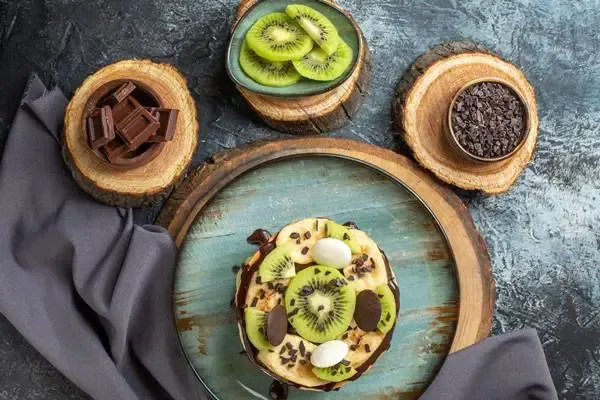
Dark Chocolate: Why Is Dark Chocolate Your Preferred Choice for Dealing with Stress?🍫
Dark chocolate is one of the best foods for stress and anxiety because it lowers your stress hormones, relaxes your body, and naturally boosts your mood, all at once.
Its stress-relieving effects may come from several factors:
- It reduces your stress hormone:
Dark chocolate may lower cortisol, the hormone your body releases when you're under pressure.
- It relaxes your body physically:
The antioxidants in cocoa may help relax the walls of your blood vessels, easing the physical tension that comes with stress.
- It triggers a feel-good sensation:
It contains a natural substance that can produce a feeling similar to falling in love.
- It can shift your brain into a calmer state:
Research found that eating dark chocolate with 70% cocoa can increase gamma brain wave activity within 30 minutes, linked to better focus and a calmer mind.
- It works with consistency:
A clinical study found that eating 40g daily for two weeks led to a meaningful decrease in perceived stress levels.
For the best effect, choose a chocolate with at least 70% cocoa, and enjoy it daily in moderation.
Salmon: How Does Salmon Help Relieve Stress? 🍣
Salmon is rich in omega-3 fatty acids, which directly lower the impact of stress hormones on your body and help your brain stay balanced under pressure.
If you are looking for how to reduce stress and anxiety through diet, it may help in several ways:
- The omega-3 fatty acids in salmon can help reduce the negative effects of stress hormones, so they have less impact on your body.
- Research found that omega-3s helped lower cortisol production and increased protective compounds that typically decrease during stressful times.
- Omega-3 fatty acids cross the blood-brain barrier and directly influence brain cells, supporting the chemicals responsible for mood regulation and helping you stay calm.
- A study found that omega-3 supplementation reduced anxiety symptoms even in healthy young adults with no anxiety disorder diagnosis.
Salmon is one of the simplest, most effective foods that reduce stress you can add to your routine; you don't need to eat salmon every day. Two servings a week is all it takes to start feeling the difference
Blueberries: What Is the Effect of Blueberries on Your Body’s Response to Stress?🫐
These little blue balls contain antioxidants and phytonutrients that could help your body respond better to stress.
Here's how it works:
- When you're stressed, your body can produce more free radicals, harmful molecules that can damage cells. Antioxidants in blueberries help counter them, reducing oxidative stress, a type of cellular wear and tear linked to chronic stress, while supporting immune health.
- They may help with stress-related mood changes. A 2016 study found that eating blueberries can help reduce the genetic and biochemical drivers behind depression and stress-related conditions, like post-traumatic stress disorder (PTSD).
- They reach your brain directly. The natural compounds in blueberries can cross the blood-brain barrier, meaning they can actually reach brain tissue and influence areas responsible for learning and memory.
Think of blueberries as a small but powerful daily shield, making them among the best foods for stress and anxiety.
Pistachios: How Do Pistachios Support Both Your Heart and Mind?
These contain phytonutrients with antioxidant effects that improve cardiovascular health. In addition, the mere act of opening pistachios is relaxing…so, open and enjoy!
Here’s what it does for your body:
- Stress causes your blood vessels to tighten and your blood pressure to rise. Pistachios help keep your blood vessels more relaxed, so your body handles pressure better.
- Pistachios contain phytonutrients and antioxidants that support your heart health and help your body stay resilient over time.
- The repetitive motion of opening pistachio shells is naturally rhythmic and grounding. It gives your hands something to do when your mind is racing.
- They're a smart snack choice under stress. Instead of reaching for chips or sugar when you're overwhelmed, a handful of pistachios gives your body what it actually needs.
Avocado: What is The Secret of Avocado in Stopping Stress-Induced Snacking? 🥑
This fruit will help you feel more content by quickly filling you up. In fact, it is the perfect food for lunch, and it helps stop snacking between meals. Avoid unhealthy snacks this way when stress is knocking at your door.
This is how it reduces stress and anxiety:
- Avocados are rich in nutrients like B vitamins, vitamins C and E, and magnesium, all of which can help balance out the side effects of cortisol, a stress hormone.
- There is a study that showed that the unsaturated fats in avocado oil can protect nerve cells from damage due to high cortisol levels.
- Avocados are rich in potassium, a mineral that helps normalize blood pressure, which is important because stress regularly causes blood pressure to spike.
Green Vegetables: Do Green Vegetables Help You Keep Calm Naturally? 🥬
Vegetables like spinach, for example, contain folate, which produces dopamine, a pleasure-inducing neurochemical that helps you keep calm.
A study found that spinach extracts showed anti-stress and anti-depressive effects, including lower blood stress hormone levels from chronic stress.
Low levels of folic acid or folate may disrupt the production of serotonin (a neurochemical that enhances feelings of happiness) and dopamine, leading to imbalances in these neurotransmitters and worsening stress and anxiety.
Green vegetables are one of the most affordable foods that reduce stress to support your brain's natural calming chemistry.
Seeds: Why Should You Eat Seeds When Feeling Irritable or Stressed?
Seeds are a great source of magnesium. This mineral is very important for the body and may help to regulate emotions. So, when you feel irritable or stressed
Here’s how magnesium may help:
- It may help regulate cortisol, your main stress hormone.
Magnesium appears to support healthy cortisol balance, which may help prevent chronic stress from feeling more overwhelming.
- It supports your brain’s natural calming signals.
Magnesium helps regulate the brain processes and neurotransmitters involved in relaxation, which may support a calmer response to stress.
- Low magnesium may make stress feel harder to manage.
In some people, inadequate magnesium intake may contribute to irritability, nervousness, or feeling more reactive under pressure.
If you want to know how to reduce stress and anxiety, adding magnesium-rich seeds such as pumpkin, chia, and sesame seeds to your routine may support a calmer, more resilient response to everyday pressure.
Are there foods that make stress worse?
Yes, some foods and drinks may worsen stress symptoms or make your body respond to stress less effectively, including the following:
- Highly processed foods.
- Sugary snacks and refined carbohydrates.
- Too much caffeine.
They may contribute to blood sugar swings, poor sleep, irritability, or make you feel more tense. Some research also links diets high in ultra-processed foods with a greater likelihood of anxiety and mood-related symptoms over time.
Moderation matters more than restriction; the key is not relying on these foods as a long-term nutritional habit.
Finally, your plate is your mental shield. Start incorporating the best foods for stress and anxiety into your diet as your first defense against daily pressure.
Need more calm? Discover How to Fight Anxiety Naturally with These 7 Herbal Teas.